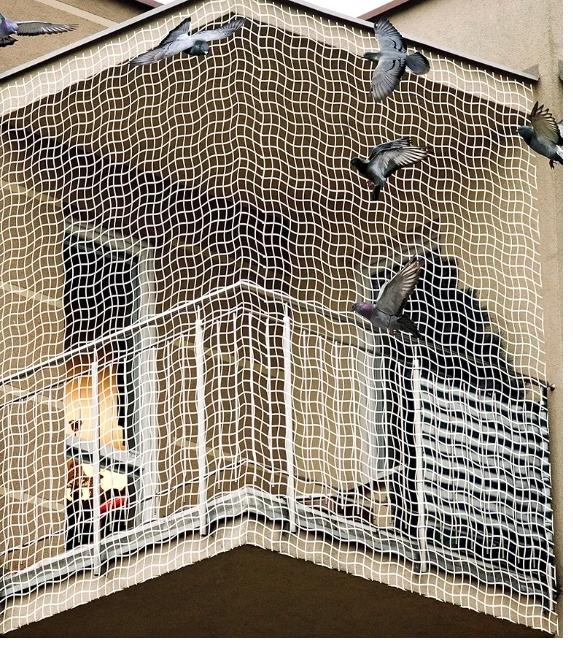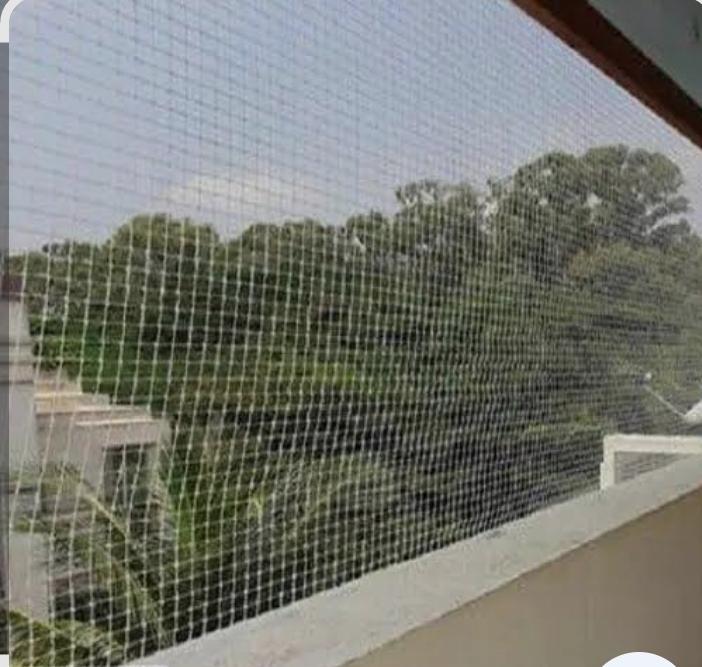
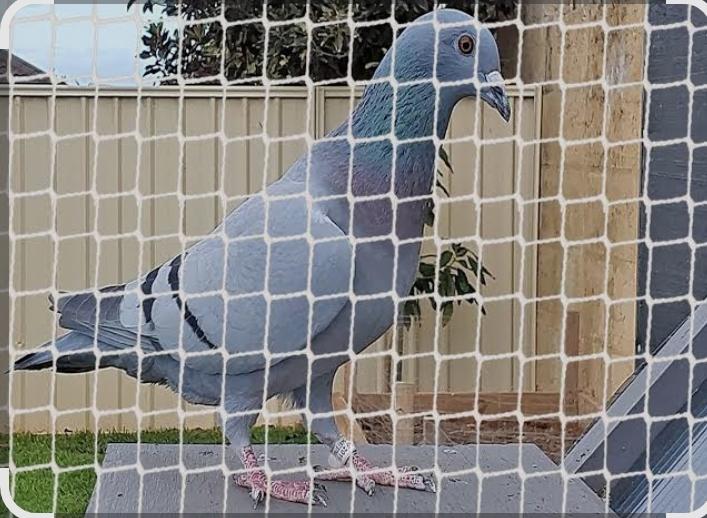



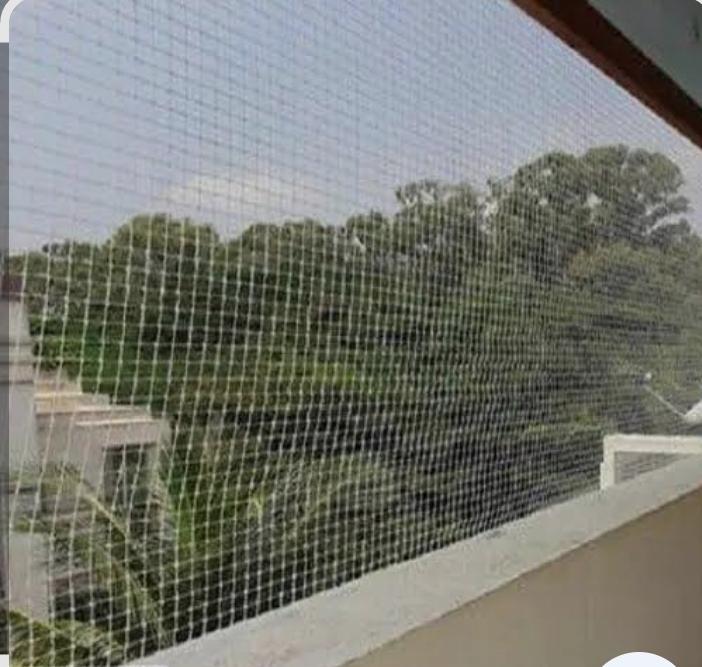
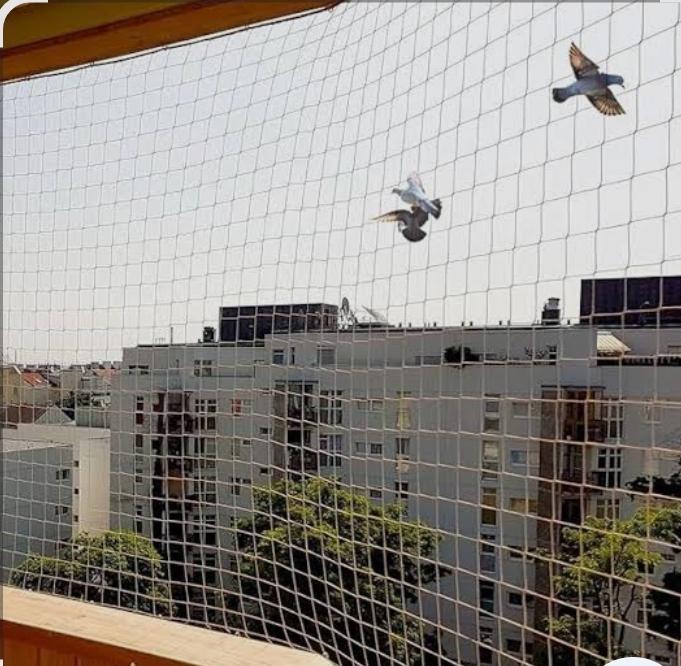
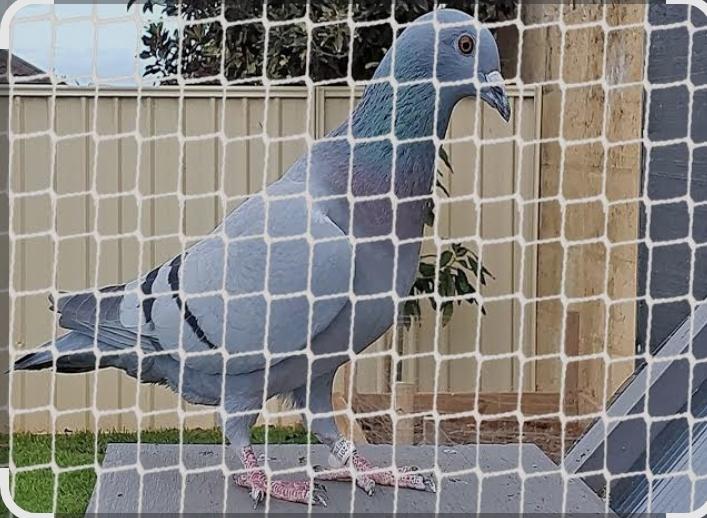
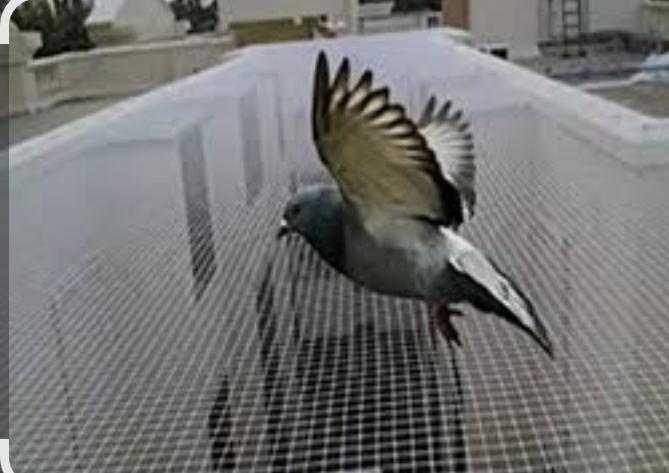
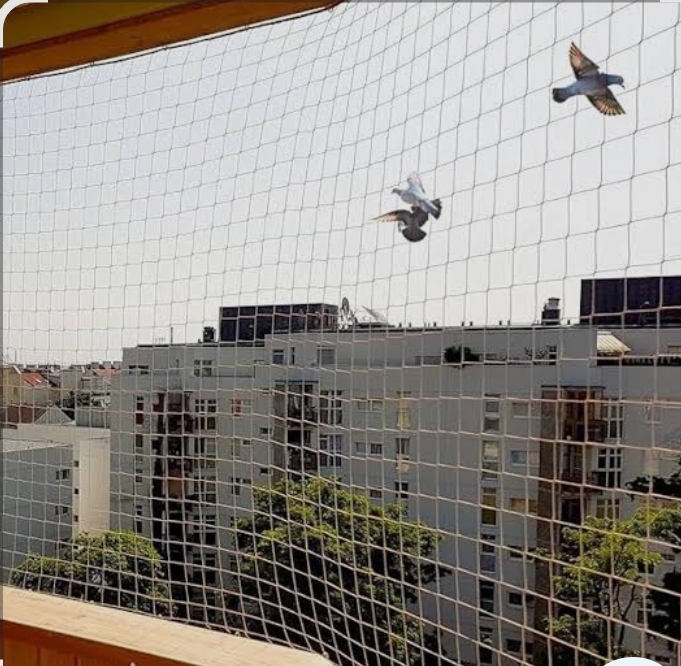
In urban areas the issue of controlling the pigeon population remains a problem in the global environment. Pigeons can be innocuous or even attractive, but can be a problem because of their numbers if they are present as a pest. One of the most feasible, humane and efficient ways of dealing with these issues has been pigeon netting that has become the most reasonable approach to the problem. This essay will discuss and elaborate on the concept of pigeon netting, its importance, types, installation process, advantages and problems of successful installation.
Introduction to pigeon problems in urban areas.
Pigeons are successful in cities as they have plenty of food, shelter, and nesting areas. Buildings, bridges and even other structures have perfectly leveled areas and cavities for nesting. In the long run, pigeon infestations are capable of causing severe problems. Their faeces are acidic and can cause damage to stone, metal and paint, in buildings. The accumulation of droppings does not only cause damage to property, but also results in unsanitary conditions, which are likely to transmit diseases like histoplasmosis, cryptococcosis, and psittacosis.
Moreover, pigeon nests might clog drainage systems, vents, and gutters causing water damages and fire risks. There is usually unpleasant smell, noise, visual pollution due to the presence of pigeons, which worsen the overall quality of the urban life. These issues lead to the requirement of effective control of birds, where pigeon netting is one of the effective methods.
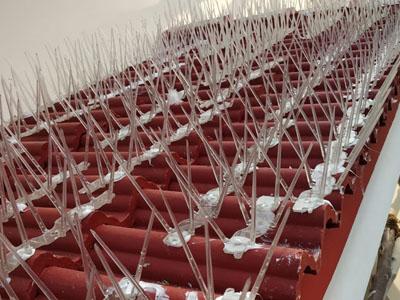
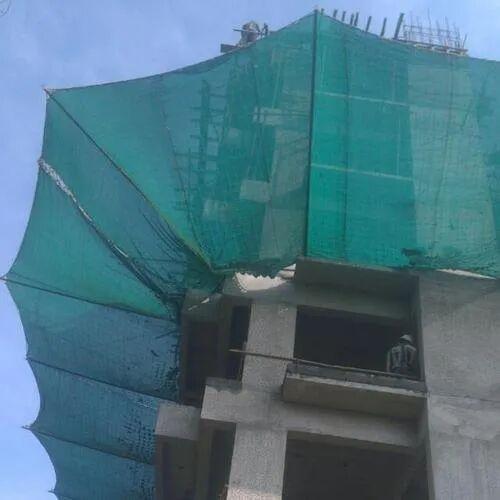
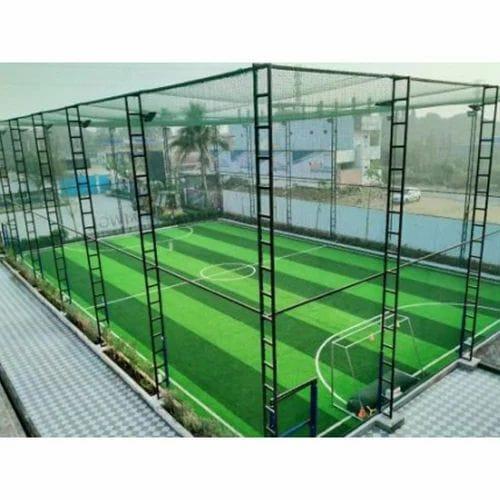
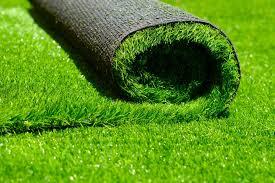
In contemporary urban and residential settings, there are different protective measures that are applied to maintain security, cleanliness and functionality. Bird nets, bird spikes, invisible grills, safety nets, cricket nets, grass mats, and mosquito nets are some of them and are vital in enhancing the quality of life. All these products are used to achieve a particular goal, whether it is pest control, sports infrastructure or personal safety.
© 2026 Control Pigeon Netting, All Rights Reserved